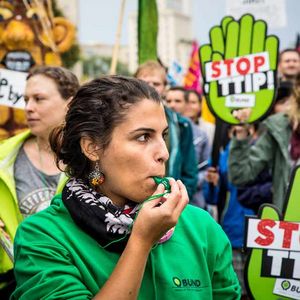
BUND protest in front of a MediaMarkt in Berlin 2006, photo: BUND
BUND protest in front of a MediaMarkt in Berlin 2006

BUND – a citizens’ movement

Organised in 2,200 local groups and initiatives, committed and competent people are taking actions against the destruction of nature and the environment.

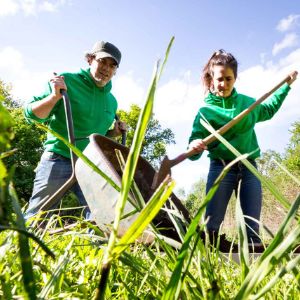
  • Local BUND groups develop ideas concerning, for example, the expansion of bicycle paths or the renaturation of waters. They advise citizens on environmental topics, and contribute to shaping and conceiving future Agenda 21 strategies on the municipal level.
  • They initiate campaigns to promote the switch to public transport, energy saving measures and waste prevention concepts.
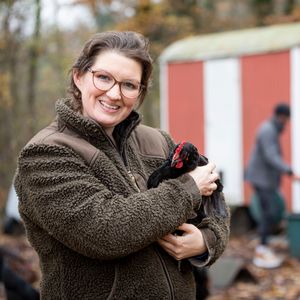
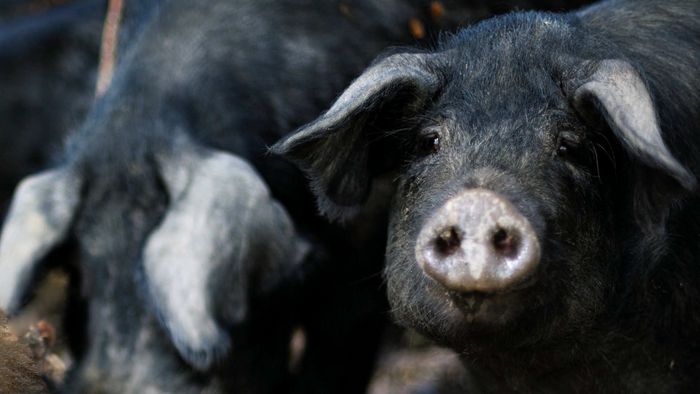
  • BUND members collaborate closely with the authorities in taking responsibility for the management of nature reserves.
  • They carry out advanced training sessions on nature conservation and environmental protection.
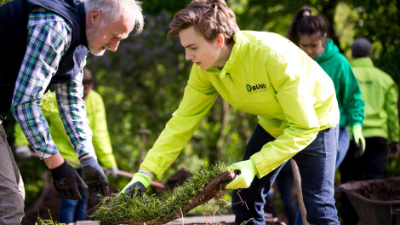
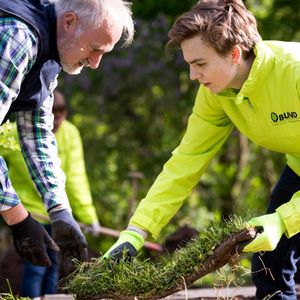
  • Local BUND groups organise ecological fairs, swap meets to exchange second-hand goods, repair days, action days on organic farming, events to promote regional products in urban areas, expeditions into the wild, guided nature tours, educational journeys and tree planting activities.

There are 16 regional BUND sections, of which the oldest were founded more than 90 years ago. The most recent ones were founded in the new federal states after the Berlin Wall collapsed. These regional associations are responsible for their own projects. Some examples are the following:

  • In Baden-Württemberg, 2,100 hectares of protected area are looked after by voluntary BUND groups.
  • Bavaria is fighting for the preservation of the last natural section of the Danube.
  • Berlin is greening the city through the "Trees for Berlin" campaign.
  • Brandenburg is taking measures to maintain and protect thousands of kilometres of tree-lined roads. 
  • Mecklenburg-Western Pomerania is up front in the battle against the construction of a new coal fired power plant at the coast.
  • Bremen’s climate action team is organising various events on climate protection.
  • Hamburg is running a court case against the construction of a new coal fired power plant.
  • Hesse has set up a climate-artist website with a growing number of video clips.
  • Lower Saxony is coordinating the protection of the Elbe river floodplains.
  • North Rhine-Westphalia is GMO-free and BUND thanks to BUND’s engagement.
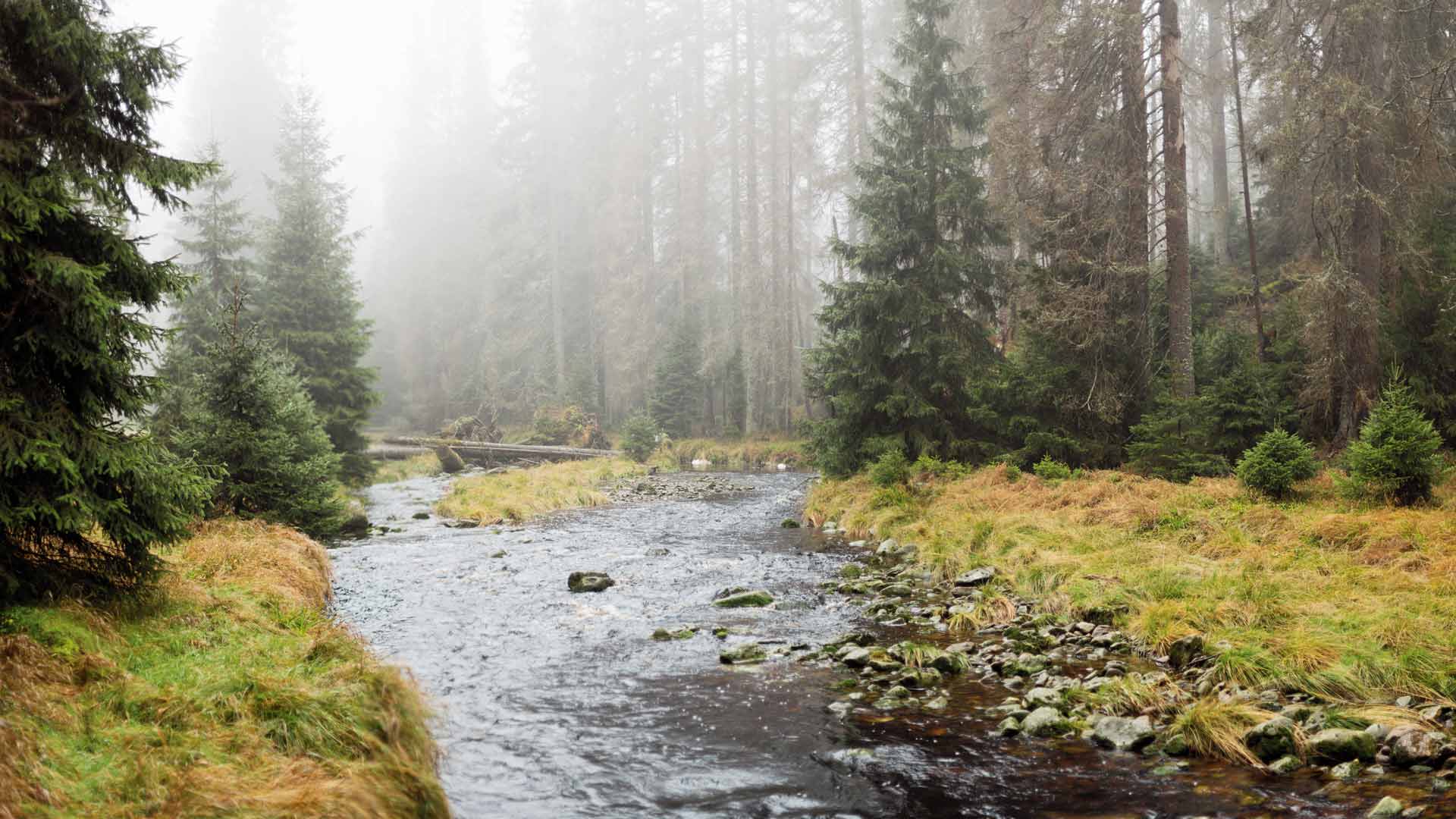
  • In Rhineland-Palatinate is securing biodiversity in streams and rivers.
  • Saarland’s protects it’s beech forest which are part of the international natural heritage.
  • Saxony-Anhalt is involved in ecological flood control measures on the river Elbe.
  • Schleswig-Holstein is coordinating partner of the Baltic Green Belt to protect the Baltic Sea.
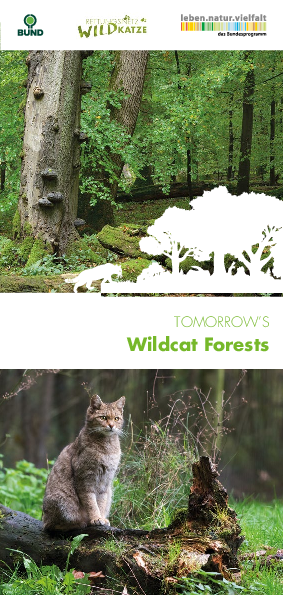
  • Thuringia is saving Europe’s last wildcats by restoring green corridors between isolated forest areas as their natural habitat.


Suche